


My story began five years before I was diagnosed with fibromyalgia. I went from working full-time, teaching group fitness classes, training regularly, and traveling with my partner and friends — to a complete stop. I injured my back and developed Modic changes, first in one place and then another. Overnight, my life changed completely. The treatment was antibiotics and rest, and because of the severe pain, I spent almost two, nearly three, years mostly bedridden.
When I finally could start training again, it felt like getting my life back. I began carefully, and as my back tolerated more, I increased the training. I had constant muscle pain and brain fog, but my BACK held up — and that gave me hope. I thought my body just needed time to adjust after being inactive for so long. But the pain didn’t improve.
At the doctor’s office, I mentioned both fibromyalgia and ME, but was met with skepticism. “Maybe muscle pain, but not fibromyalgia.” I was still referred to a pain-management course. It taught me a lot, but physically it was hard, and I kept getting worse. My training progress stalled, and I ended up back on the sofa — exhausted and overwhelmed by even small tasks.
Another appointment finally led to proper testing, and the diagnosis was clear: fibromyalgia. It gave me a starting point — a place to begin. Conversations with physiotherapists taught me how to balance training and rest, and the advice that stayed with me was this: amount, duration, and intensity.
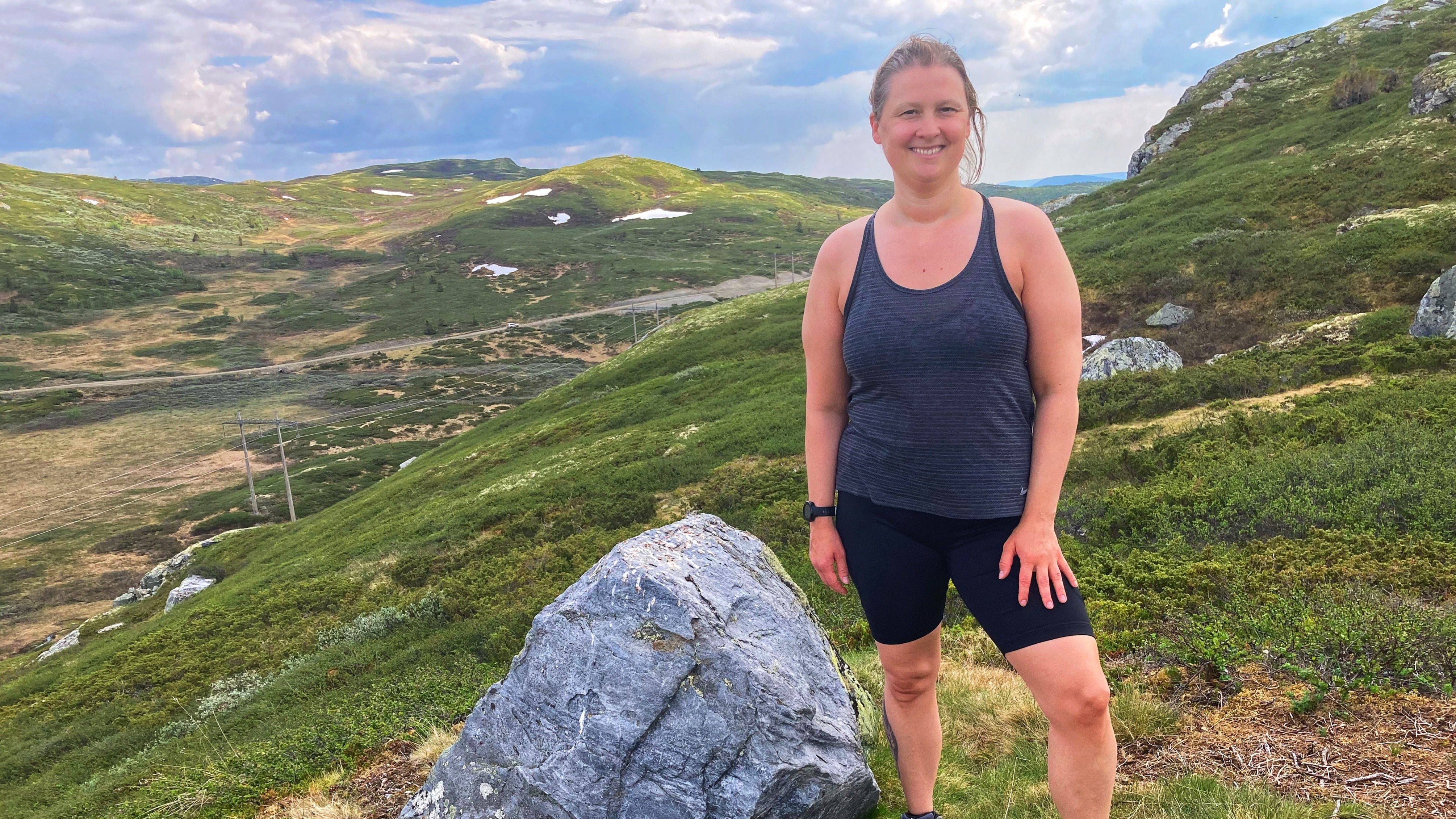
Strength training became important for rebuilding my body. Short, effective sessions felt manageable. After a year with the diagnosis, I’ve found a rhythm where I can train, go hiking (my greatest therapy), and spend more time with my husband, family, and friends — as long as I pay attention to amount, duration, and intensity. The tough days, when I want to do things but can’t, are hard. But the good days feel even more meaningful.
I’ve created daily structure, with fixed training days and clear boundaries — both for myself and with family and friends. It was uncomfortable at first, but it has reduced stress, mental noise, and the constant guilt of not keeping up.
One of my best experiences is arriving at the gym with pain and inner stress — and leaving with a calmer mind and less pain. I’ve also discovered Yin yoga, with slow movements and focus on breathing. On bad days, a little yoga, a shower, and a podcast help ease the worst fatigue. It’s not a miracle cure, but it brings relief.
I’ve also made changes to my diet. Like many with fibromyalgia, I struggled with stomach issues, but things improved significantly when I cut out ultra-processed food, started cooking from scratch, limited myself to two meals within an 8-hour window, and removed white sugar. These changes made a noticeable difference in my pain levels.
I wish my GP had listened earlier and asked more of the right questions. It was difficult to explain how I truly felt day to day. Eventually, I started writing a daily journal and bringing summaries to my appointments — something I wish the GP had encouraged from the beginning.
This is the short version of a long journey. I could write a whole book — and maybe I will one day.
And finally — something important:I tried the Helfi app during the free period, and I really liked it. It is very similar to the journal I kept before applying for disability benefits — and that documentation was incredibly valuable in meetings with NAV and my GP. I think it is extremely important that tools like this exist. They make a difficult process easier, clearer, and more manageable.


